How to Start a Goat Farm
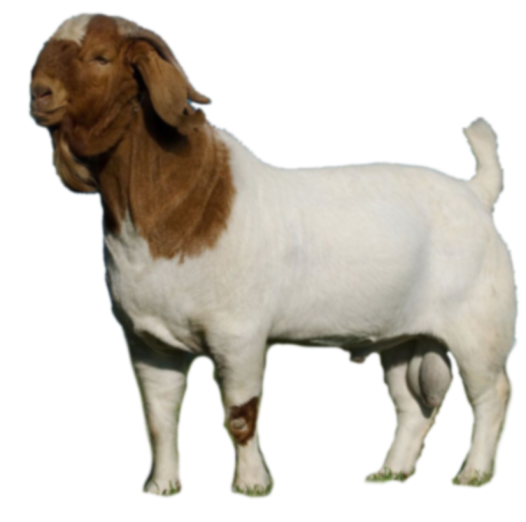
Build the shed and secure your fodder supply before you buy a single goat. Then start with 10 to 20 local does and one good Boer buck rather than a large herd. Most first-time farms fail because stock arrived before the shed and feed were ready.
बाख्रा किन्नु अघि खोर बनाउनुहोस् र घाँसको व्यवस्था मिलाउनुहोस्। सुरुमा १०–२० स्थानीय माउ र एक राम्रो बोयर बोका किन्नुहोस्।
Updated
The order of work
1. Decide your scale honestly
Start with 10 to 20 does and one buck. Small enough to learn on, big enough to be worth the effort. You can expand from your own kids later.
2. Choose and prepare the site
Well-drained land, above flood level, with reliable water and road access for feed in and animals out. Away from the house but close enough to check twice a day.
3. Build the shed
Dry, ventilated, tall enough to walk into and clean. This is where your money should go first.
4. Plant fodder before buying goats
Napier and fodder trees need months before first cutting. Planting them now means the feed is ready when the animals arrive.
5. Buy stock, in one batch if possible
Local does plus one good Boer buck. One source, one batch — this limits disease risk sharply.
6. Quarantine everything that arrives
Three to four weeks separate from any existing animals. Deworm on arrival.
7. Vaccinate and start records from day one
PPR above all. A notebook with dates beats memory every time.
Getting the shed right
The shed does more for goat health than any medicine. Wet ground and stale air cause pneumonia, foot rot and worm reinfection — the three things that quietly destroy the economics of a small farm.
- Tall enough to stand and walk in, so cleaning actually happens. Around 5 feet minimum at the low side.
- Floor raised off the ground, or bedding you can genuinely keep dry.
- Air moving above the animals, with no draught at floor level.
- Roof overhang wide enough to keep monsoon rain off the bedding.
- Sloped floor with drainage so urine runs away rather than pooling.
- Separate pens for a sick animal, for kidding, and for new arrivals.
- Feed troughs and water raised off the floor, away from where dung falls.
- Enough space that goats are not pressed against each other.
Fodder comes before scale
Goat farming is a fodder business. A farm with twelve months of feed secured rarely fails; a farm with six months of feed and twice the animals usually does. Plant Napier and fodder trees first, then size the herd to what the land can feed — not the other way round.
- Plant Napier or Super Napier for bulk cutting through the growing season.
- Plant fodder trees along boundaries — ipil ipil, kutmero, khanyu, tanki, kimbu, moringa.
- Plan for the December-to-April gap now, through silage or hay, not when it arrives.
- Budget concentrate as a running cost. It is the largest one after stock.
Choosing your first animals
For most first-time farmers the best combination is local does — already adapted to your climate and feed — with one pure or high-percentage Boer buck to cross them. Every kid born is a fast-growing cross while the mothers keep the hardiness that makes the farm survivable.
| What to buy | Why |
|---|---|
| 10–20 local or 75% cross does | Hardy, affordable, and adapted to your conditions |
| 1 pure or high-percentage Boer buck | Upgrades every kid born. One buck serves 25–30 does |
| Does aged around 1–2 years | Old enough to breed soon, young enough for many productive years |
Registration, subsidy and insurance
Nepal has subsidised agricultural loan programmes and a livestock insurance scheme with a government-supported premium, and local governments periodically run goat-farming training and grant programmes. The specifics change from year to year and differ by municipality, so the practical step is to visit the offices rather than rely on anything written online — including this page.
- Your ward or municipality office — registration, local grant and training programmes
- The district Veterinary / Livestock Service office — vaccination support and technical advice
- A commercial bank or agricultural bank — subsidised agri loan schemes
- An insurance company offering livestock cover — ask about the government premium subsidy
The first 90 days
- Quarantine new animals for 3–4 weeks and deworm on arrival
- Vaccinate against PPR
- Start a notebook: date, animal, weight, treatment
- Mark five animals and weigh them monthly
- Check eyelid colour monthly for anaemia
- Establish a twice-daily feeding and water-checking routine
- Get your vet's number written on the shed wall before you need it
More in this section
Common questions
How many goats should I start with?
What should I build or buy first?
Do I need to register a goat farm in Nepal?
Is there government subsidy for goat farming in Nepal?
Read next
Investment, Costs and Profit
How to work out what a goat farm will cost you and earn you, with a worked example for a 20-doe farm and the numbers you must check yourself.
Grow BiggerFeeding Plan for Growing Goats
How much to feed a goat by body weight, a concentrate mix from ingredients available in Nepal, and the fodder trees goats prefer.
HealthGoat Vaccination Calendar
Which vaccines goats need in Nepal, when to give them, and how to build a deworming and vaccination routine you can actually keep to.
Boer GoatsBoer Percentages Explained
What 75%, 87%, 93% and 100% Boer breeding actually mean, how each generation is produced, and which percentage suits your farm and budget.
Questions about your own goats?
We farm Boer goats in Chitwan and are happy to talk through your situation — which breeding suits your district, what stock costs, or how to fix a problem on your farm.