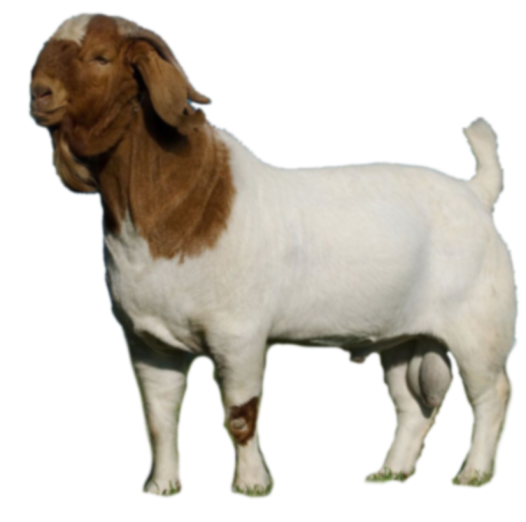
Choosing a Boer Cross for Your District
Terai farms with a good shed can run up to 93% crosses. Hill districts do best on 75% or 87%, which keep more local tolerance for cold and damp. High hills should stay at 75%. Higher is not better — it is only better if your shed and fodder can support it.
Rewritten in plain language on .
We farm in Chitwan, in the Terai, and what works here is not automatically what will work for someone in Palpa or Sindhupalchok. The Boer came from dry, warm, semi-desert country in South Africa. How much of that genetics suits your farm depends on where your farm is.
By region
| Where you are | What we would sell you | What to watch |
|---|---|---|
| Terai — Chitwan, Nawalparasi, Bara, Jhapa | Up to 93%, if the shed is dry and well ventilated | Monsoon humidity. Worms and pneumonia do the damage here, not heat. |
| Mid hills — Kaski, Tanahun, Palpa, Gorkha | 75% or 87% | Cold, damp winters. Keeping animals dry matters more than keeping them warm. |
| High hills and mountains | 75% only, with real winter shelter | Cold stress, and fodder running out in winter. |
Why higher is not simply better
Each step up in Boer percentage buys faster growth and gives up some tolerance — for humidity, for cold, for ordinary grazing, and for the days when the feeding is not quite right. On a well-run farm that trade is worth making. On a farm still finding its feet it is not.
A reasonable path
Start at 75%
Hardy, affordable, forgiving of the mistakes everyone makes in the first year.
Fix the shed and the fodder calendar
Dry floor, air moving above the animals, and twelve months of feed planned rather than hoped for.
Then bring in a higher-percentage buck
Once the farm can support faster-growing animals, raise the percentage through breeding instead of buying.
If you tell us your district and what your shed is like, we will tell you honestly which percentage suits you. It is often not the most expensive one, and we would rather sell you an animal that does well.

Gopal Gautam
Founder, Jagatpur Goat Farm. Breeding Boer goats in Chitwan since 2072 BS.
More from the farm
How We Make Silage for the Dry Months
Chopping, packing and sealing surplus monsoon grass in bags so the herd does not lose weight from December to April. What we do, and the two mistakes that ruined our first batches.
MoneyThree Mistakes That Cost New Goat Farmers the Most
Not the mistakes people expect. Buying the wrong percentage, building the shed last, and counting kids born instead of kids sold — each one quietly takes more money than any feed decision.