Three Mistakes That Cost New Goat Farmers the Most
The three most expensive mistakes we see are buying a high Boer percentage before the shed and feed can support it, building the shed after the animals arrive, and planning income from kids born rather than kids that actually reach market weight. All three cost more than any feed choice.
Rewritten in plain language on .
People ask us what the return on goat farming is. The honest answer is that the breed and the feed matter far less than three decisions that get made in the first few months — and all three are avoidable.
Mistake one: buying the highest percentage you can afford
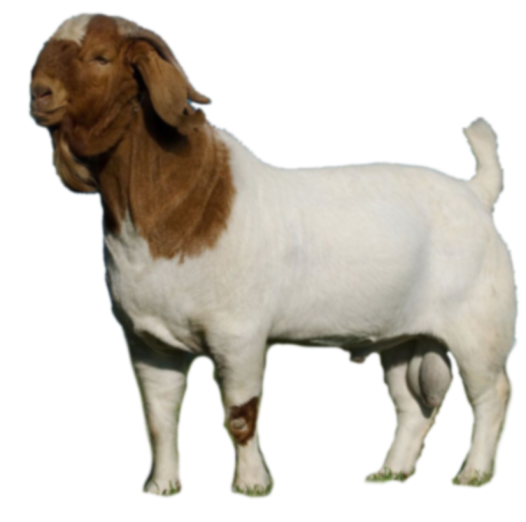
A 93% Boer grows faster than a 75% cross, but only if the shed is dry and the fodder is secured for all twelve months. Put that same animal in a wet, badly ventilated shed on whatever grass is available and it will grow more slowly than a 75% cross in the same place, get sick more often, and cost considerably more to buy.
We would rather sell someone a 75% cross that thrives than a 93% that struggles. The percentage should follow the farm, not lead it.
Mistake two: buying the goats before building the shed
This is the one that sinks farms. Animals arrive, there is nowhere properly dry to keep them, fodder runs short within weeks because nothing was planted in advance, disease follows the wet bedding, and the farmer concludes that goat farming does not work.
Shed first. Fodder second — Napier and fodder trees need months before a first cutting. Goats third. In that order, every time.
Mistake three: counting kids born instead of kids sold
Boer crosses twin often, and it is easy to multiply does by kids and get an encouraging number. The figure that actually pays you is how many of those kids reach market weight.
| Kid survival | Kids sold | Live weight sold |
|---|---|---|
| 85% | 35 | 1,225 kg |
| 70% | 29 | 1,015 kg |
| 60% | 25 | 875 kg |
Every cost in that table is identical. The only difference is how many kids survived — and that is decided by dry housing, getting colostrum into newborns in the first hours, vaccination and deworming. Not by genetics, and not by buying better feed.
What we would tell someone starting today
- Start with 10–20 does, not 50. Learn on a scale where mistakes are affordable.
- Spend on the shed before the animals.
- Plant fodder months before you need it.
- Buy the percentage your farm can support, not the one that sounds best.
- Write down every weight, treatment and date. Guessing costs money.
- Assume the first year loses money. Plan so that it can.

Gopal Gautam
Founder, Jagatpur Goat Farm. Breeding Boer goats in Chitwan since 2072 BS.
More from the farm
How We Make Silage for the Dry Months
Chopping, packing and sealing surplus monsoon grass in bags so the herd does not lose weight from December to April. What we do, and the two mistakes that ruined our first batches.
BreedingWhy One Good Buck Changes Your Whole Herd
You do not need to replace your goats to get Boer growth. One pure buck crossed with the local does you already keep improves every kid born from then on — and every generation after.