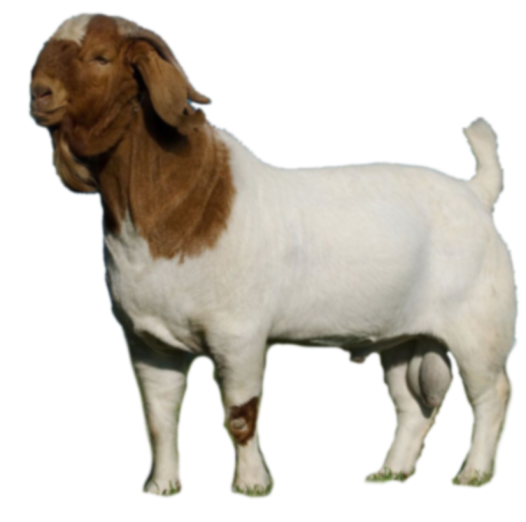
What We Do the Day a New Goat Arrives
Every new goat is kept completely separate from the herd for three to four weeks, dewormed on arrival, and checked daily for fever, diarrhoea, coughing and nasal discharge. A separate pen costs almost nothing. An outbreak can take a year's profit.
Rewritten in plain language on .
If you remember one thing from anything we write, make it this: disease almost never appears out of nowhere. It walks onto the farm with an animal somebody bought.
That applies to goats we sell as much as to goats we buy. We would rather you quarantine an animal you bought from us than assume it is fine because of where it came from.
The quarantine we actually run
A genuinely separate pen, for three to four weeks
No shared fence line, no shared feeder, no shared water. Across the yard, not next door — several of the diseases that matter travel on close contact and shared troughs.
Deworm on arrival
New animals routinely bring parasites in, sometimes ones that are already resistant to common treatments in their home district.
Check every day, and write it down
Temperature if anything looks off. Watch for nasal discharge, watery dung, coughing, and whether the animal is eating and standing with the others rather than apart.
Handle the healthy herd first
Always in that order, never the reverse. Wash hands and boots afterwards. This costs nothing and prevents a great deal.
Vaccinate if the history is unclear
Ask for records. If none are produced, assume the animal has had nothing.
Only then move it in
After the full period with no signs of illness — not after a week because the pen is needed.
What we are watching for
| What you can see | Likely cause | What to do |
|---|---|---|
| Nasal and eye discharge, mouth sores, watery dung | PPR — highly contagious, no cure once infected | Keep isolated, stop all animal movement on the farm, call a vet urgently |
| Coughing, fast breathing | Pneumonia | Dry, ventilated shelter out of draughts; vet the same day |
| Pale inside the lower eyelid | Anaemia from internal worms | Deworm this animal; do not let it onto shared grazing yet |
| Limping, foul smell around the hoof | Foot rot | Dry ground, trim and clean the hoof before it joins the herd |
| Scabs on lips and nose | Orf — spreads to people too | Wear gloves, keep isolated, contact a vet |
The one vaccination we will not let slide
Why it is worth the trouble
A quarantine pen is a few posts and some roofing. A single outbreak can take a year of profit, and if it is PPR it can take a large share of the herd. We have never regretted the four weeks. We have regretted being in a hurry.

Gopal Gautam
Founder, Jagatpur Goat Farm. Breeding Boer goats in Chitwan since 2072 BS.
More from the farm
How We Make Silage for the Dry Months
Chopping, packing and sealing surplus monsoon grass in bags so the herd does not lose weight from December to April. What we do, and the two mistakes that ruined our first batches.
MoneyThree Mistakes That Cost New Goat Farmers the Most
Not the mistakes people expect. Buying the wrong percentage, building the shed last, and counting kids born instead of kids sold — each one quietly takes more money than any feed decision.